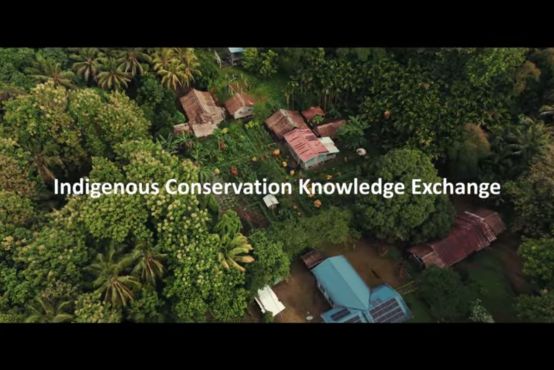
Powerful exchange of Traditional Ecological Knowledge
Indigenous rangers from the Torres Strait and Solomon Islands are sharing knowledge and skills in the fight to conserve their environment and culture for future generations.
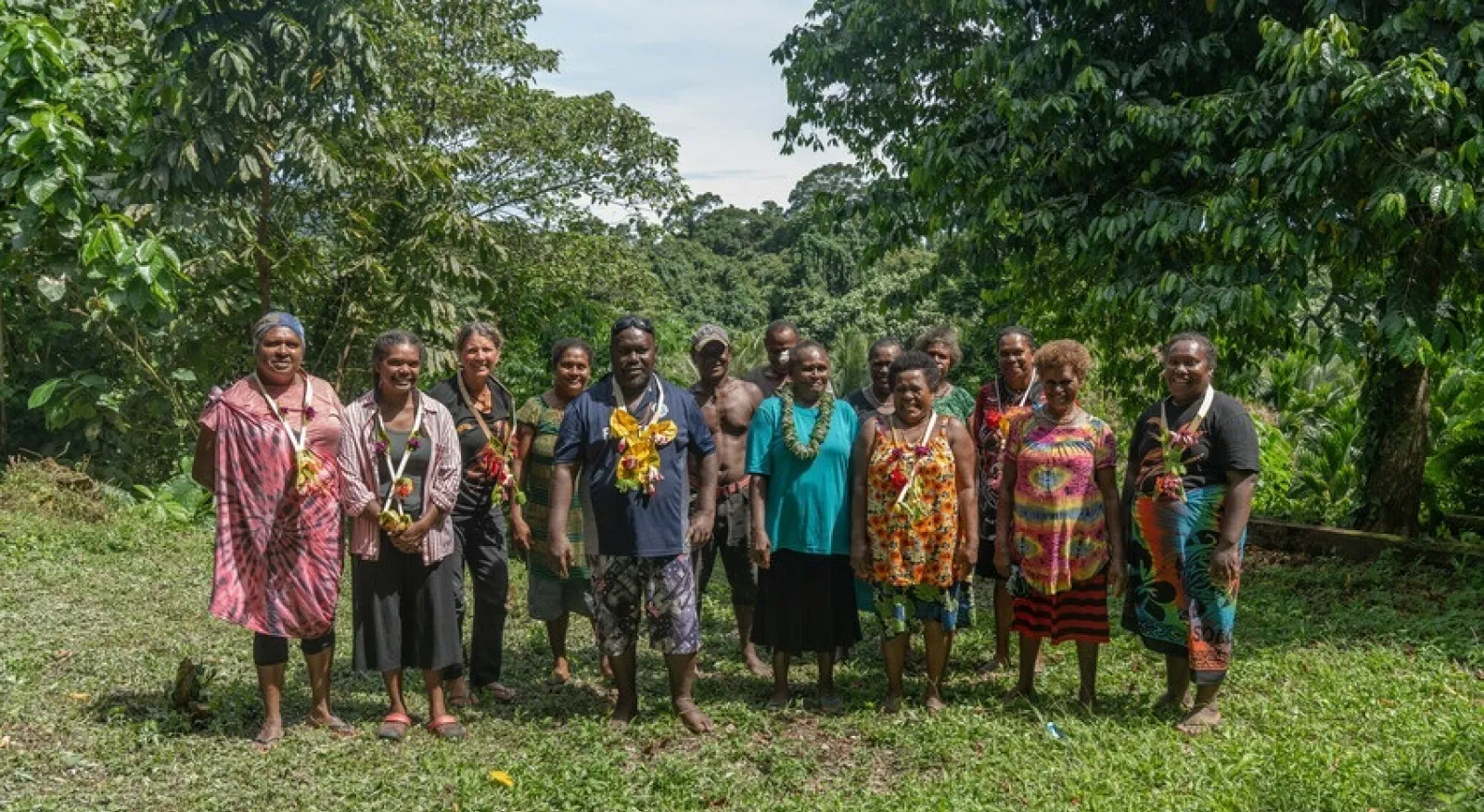
From the rainforests of Solomon Islands to the blue waters of Zenadth Kes (Torres Strait), rangers and Traditional Ecological Knowledge holders are celebrating and sharing island wisdom, through Indigenous Pathways.
The unique First Nations-to-First Nations international knowledge exchange began in February 2025 with a visit by Torres Strait Regional Authority (TSRA) Rangers to the Solomon Islands Rangers Association (SIRA) in South Malaita, Solomon Islands – with a focus on long-lasting environmental outcomes and cultural ties.
Three women from the TSRA joined Solomon Islands Program Manager Eve Aihunu and Indigenous Programs Coordinator Keran Kramme for the three-week exchange. And, in a first for the Australian Volunteers Program, the TSRA – one of Australia’s most remote, unique and culturally strong public service agencies – returned the island hospitality by hosting SIRA Rangers for three weeks in the Torres Strait.
The reciprocal visit of the Solomon Islanders further strengthened the relationships formed and the Traditional Ecological Knowledge shared in the first phase of the exchange. This growing partnership has inspired the rangers and communities involved and strengthened capacity across ranger networks in both the Torres Strait and Solomon Islands.
A ‘transformative’ experience
In the Solomon Islands, Program Manager Billie Roberts and Rangers Loretta Glanville and Ethel Anau spent time with SIRA and four communities which SIRA works with in the Solomon Islands’ South Malaita Province: Takataka, Apunepara, and Waihau, with additional conservation sites joining at each location.
Keran, a Gunai woman, says the exchange of Traditional Ecological Knowledge took place through people walking alongside each other, forming friendships and exchanging knowledge.
‘Doing the locally led and Indigenous-led approach, you make friends, and you walk that journey with somebody before you even look at doing anything else. That’s why it always works differently with First Nations people’, she explains.
Loretta Glanville, a Mualgal Senior Ranger with the TSRA, says the experience was ‘nothing short of transformative’.
‘The knowledge exchange was invaluable. I believe I’ve gained far more than I could offer. The trust bestowed upon me by the… Elders and the community to share their Traditional Ecological Knowledge is a privilege I deeply honour.’
Ethel Anau, a Malu Kiai Ranger with TSRA on Boigu - says she felt such a warm welcome from each community visited, developed friendships and ‘gained a lot of knowledge’ during the three weeks. Eddie Haikau Huitarau, SIRA Program Manager, says SIRA and the remote communities have valued the exchange: ‘We really appreciate it, especially from our context in terms of, (being) Indigenous People. It really supports the initiative of the conservation that we are doing here.’
Parallels between communities, cultures and climate challenges
Both Ethel and Loretta found parallels between the Torres Strait and the communities visited in Solomon Islands: ‘I can see a lot of similarities’ says Ethel. ‘We are the keepers of our Culture and Knowledge – through communication and education we can protect our lifestyle and our seas for our future generations.’
‘The community’s warmth is reminiscent of our own Torres Strait Islander values,’ adds Loretta. ‘The parallels between Solomon Islands’ Traditional Ecological Practices and our own reinforced the deep connections we share in caring for our lands.’
Another similarity between the Torres Strait and Solomon Islands is how communities manage climate impacts.
‘In the Solomons… we don't have funding to support any of the work that we do around adapting to the climate crisis that's happening,’ says Eve.
‘For me, with the climate crisis, it is a reality that I am still grappling with personally,’ says Eve. ‘I feel anger and sadness that my people, in this part of the world, just have to live with the reality of the actions of someone out there in the world.’
‘Conservation is everything’
Climate impacts add extra weight to the importance of conserving Traditional Ecological Knowledge for future generations.
Charles Afu, Chief and Chairman of the Nasi Land Resource Conservation Foundation in Solomon Islands, says: ‘We need to equip our younger generation with the best knowledge of conservation to conserve the land and protect the land and look after the resources.’
‘And that is the main thing that we try to educate our younger generation with. Conservation is everything.’
One element of the exchange is the rangers from SIRA learning how the rangers in the Torres Strait are documenting Traditional Ecological Knowledge, and that’s something Eve sees as deeply valuable to conservation in the Solomon Islands.
‘I think many of us who grow up in Honiara and are raising children there or anywhere else in that world for that matter - if we have our knowledge of tradition and culture recorded… it's a start for us,’ she says.
Returning island hospitality
In the Torres Strait, the Solomon Islanders were welcomed on Waiben (Thursday Island), before visiting Horn Island and Boigu Island, where they met local communities, exchanged conservation practices and learned about TSRA’s world-class, Indigenous-led environmental management approach – where Traditional Knowledge meets western science to care for land, sea and culture.
Hosted by TSRA’s Land and Sea Management Unit (LSMU), the local and visiting rangers learnt about and shared lived experiences in environmental activities including community-led turtle and dugong management, seagrass monitoring, and invasive species management strategies.
TSRA Chairperson George Nona said the exchange was a powerful, global example of First Nations collaboration and unity: ‘This is a significant step in strengthening ties between First Nations communities across Australia and the Pacific, building resilience through shared knowledge and honouring the deep ties between island communities.’
‘United by common challenges, connected by cultural values and driven by opportunity, this exchange reflects the strength of working First Nations to First Nations, side by side together,’ says George.
Founding Member of SIRA Albert Kwatelae says the connection between community and ranger groups was inspiring: ‘Connectivity with nature and wildlife is a paramount thing and the Torres Strait people are so proud of it and take ownership of it,’ says Albert.
A lasting impact
The relationships formed and knowledge shared will serve to deepen the connection between Solomon Islands and the Torres Strait and enhance conservation of land and sea for future generations.
‘The passion and dedication I witnessed in the four conservation villages were truly inspiring,’ says Loretta. ‘What I've learnt from them [is] the resilience that they have for looking after land.’
For Eddie, the Rangers’ visit will also have a lasting impact on the communities in South Malaita.
‘This really puts them in a position that they see themselves as part of a global community (and) family because they realise now… that they are not working isolated here. They see themselves as… connected to a bigger family.’
Indigenous Programs Manager at the Australian Volunteers Program, Alice Tamang, says: ‘One of the things that made this exchange so successful was the way knowledge was shared: through cultural protocol, mutual respect and relational learning.
‘The bonds formed between Torres Strait and Solomon Islands Rangers will carry forward efforts to conserve the environment and safeguard Traditional Knowledge for future generations.’
Indigenous Pathways is an Indigenous-led component of the Australian Volunteers Program that aims to expand and strengthen Aboriginal and Torres Strait Islander participation in international volunteering, by providing culturally safe, flexible and tailored support.
This article is not for republication.
Celebrating a powerful exchange of Traditional Ecological Knowledge across the Pacific
Meet the Indigenous rangers from the Torres Strait and Solomon Islands who are sharing their knowledge and skills in the fight to conserve their environment and culture for future generations - as part of the Indigenous Conservation Knowledge Exchange.