Strengthening early education for Deaf children in Mongolia
In Mongolia’s capital, Ulaanbaatar, a powerful partnership is transforming the lives of Deaf children and their families.
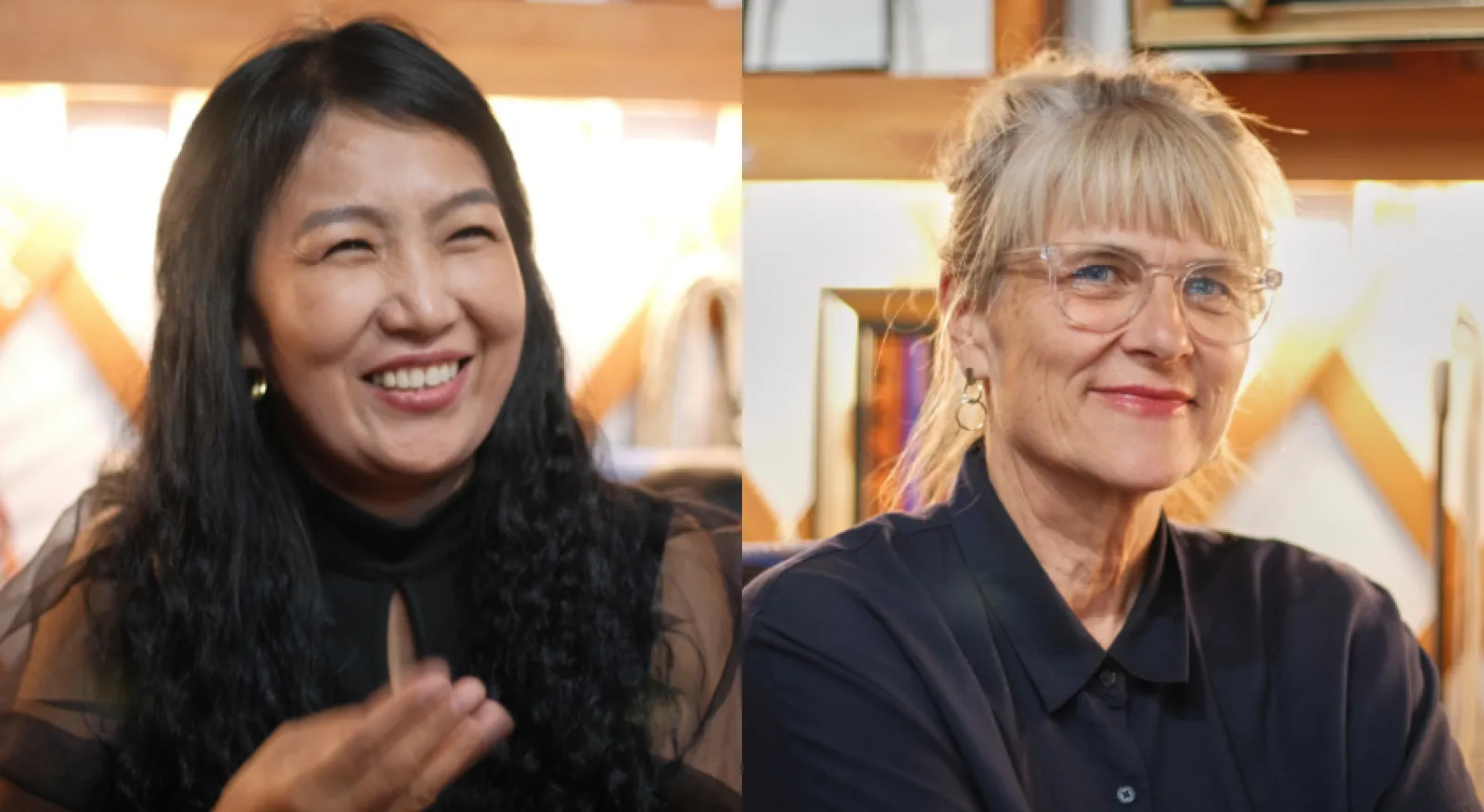
This International Volunteer Year, we are pleased to share a Q&A with Baasanjav Amgalanbayar, Head of Deaf Education Mongolia, and Australian volunteer Irene Holub, whose shared commitment to early intervention and inclusive education is creating lasting change.
Meet Baasanjav Amgalanbayar, Head of Deaf Education Mongolia:
Can you tell us about the mission of Deaf Education?
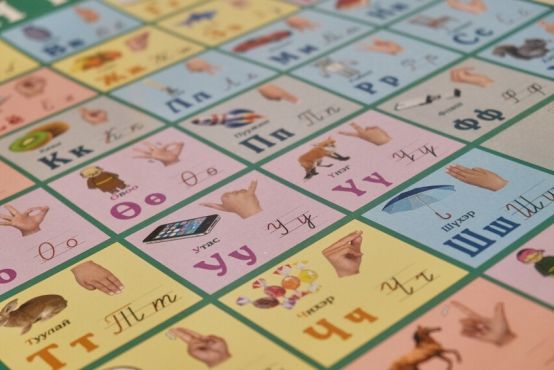
Our organisation was established in 2015 to support Deaf children and their families across Mongolia. We focus on promoting sign language, family education, and Deaf-led empowerment. Many Deaf children here grow up without access to language, which isolates them and affects their development. Our mission is to change that by advocating for bilingual education and creating visual materials that support early learning.
Why is early intervention so important in your work?
Language is the foundation of identity and cognitive development. In Mongolia, many Deaf children don’t receive any education until they’re five or six years old, and by then, they’ve already missed critical years for language acquisition. We want to ensure that from birth, Deaf children have access to communication and that parents are empowered to support them.
How did Irene Holub support your goals?
Irene has deep expertise in early childhood development. We knew we needed someone who could help us address the gap in support for children from birth to age two. Irene worked with us to develop workshops, meet with parents and share knowledge with schools and government officials. She helped us advocate for better systems so that after newborn screening, families know what to do next.
What kind of impact has her work had?
Irene’s contribution has been incredibly valuable. She helped raise awareness about early intervention and built strong relationships with key stakeholders. The Department of Education is now more engaged, and we’re hopeful that this will lead to long-term improvements in how Deaf children are supported in Mongolia.
What was it like working with Irene?
We started working together remotely. When Irene arrived in Mongolia, we met her in person and everything clicked. As Deaf people, we understood each other immediately. Irene was respectful, curious and very visual in her communication. She made a strong impression on our community, and we’re excited to continue working with her in the future.
Meet Irene Holub, Australian volunteer Early Intervention Specialist:
Can you tell us about your assignment?
I’m an Early Intervention Specialist with the Australian Volunteers Program. I’ve been volunteering with the Deaf Education NGO since March 2024, first online and now in-country. My focus is on supporting families with young Deaf babies and children before the age of five by helping them navigate newborn screening, making informed choices and building strong communication pathways with their children.
What impact have you witnessed?
The NGO is passionate about creating change. Deaf children often arrive at school without language, so we’re working to support parents early. I have provided workshops, consulted with government officials and visited families in rural and urban areas. The openness and commitment here are incredible. Everyone wants the best for their Deaf children.
What have you learned from the experience?
The experience in Mongolia has shown me that there is Deaf-led advocacy happening with professional and respectful working relationships with all persons involved in the development of best practices of bilingual education for young Deaf children. The community here is diverse – Deaf / Hearing parents, interpreters, educators, members of Deaf community and professionals are all working together. The phrase ‘nothing about us without us’ truly applies here. It’s inspiring to see decisions being made by those directly affected.
Any highlights?
So many! Visiting nomadic families, sharing meals, and being welcomed into homes. But most of all, connecting with the Deaf community. Their warmth and resilience will stay with me forever.
This story was sourced from AVI's 2024-25 Impact Report.
Discover how Basanjaav and Irene are partnering to enrich Deaf education