Giving back a lifetime of knowledge
Software engineer and project manager Bala reflects on how the people he met on assignments in the Philippines and Cambodia have made a lasting impact on his life.
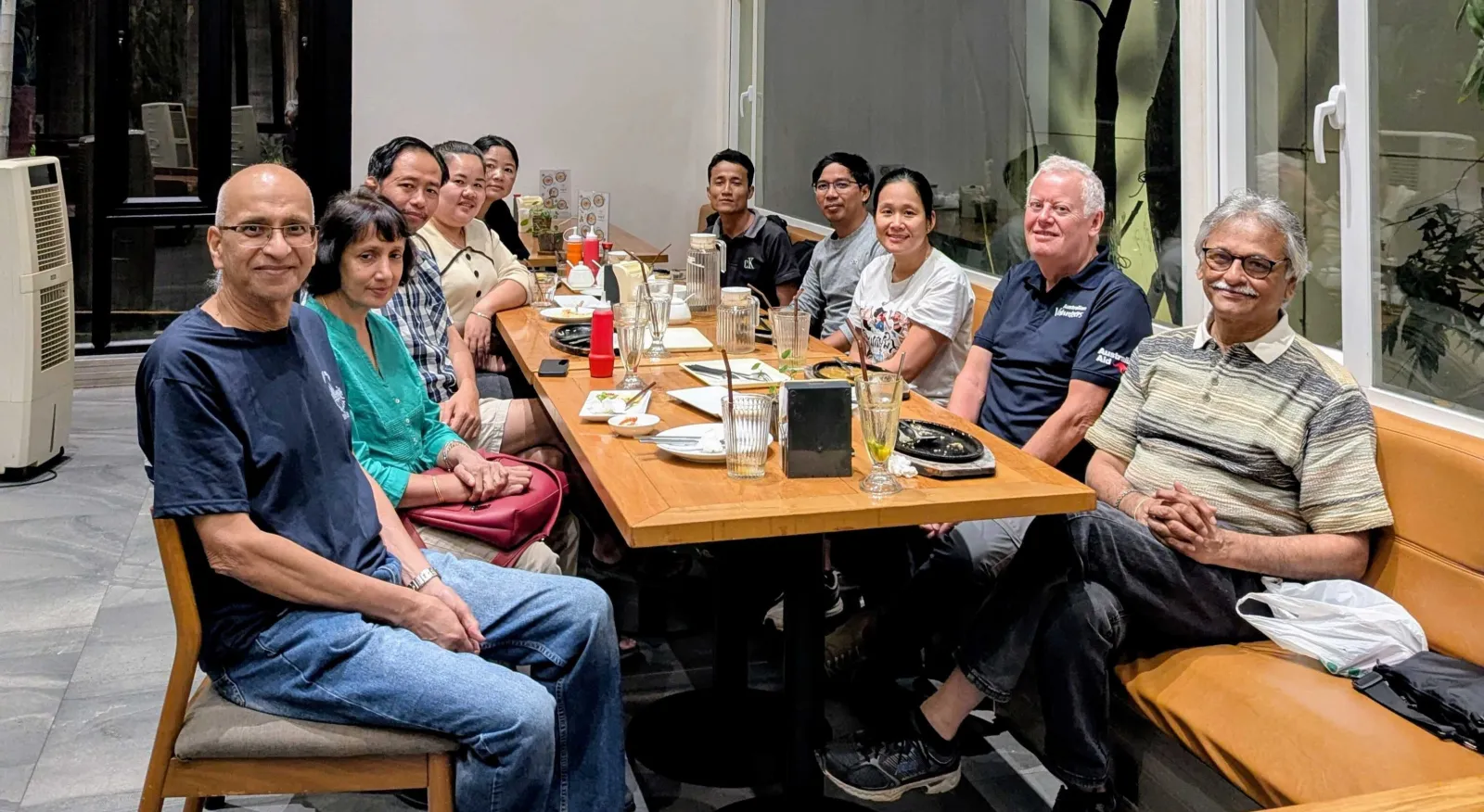
Bala Subramanian’s love of travel and passion for change have taken him around the globe, working in the US, UK, France, New Zealand and Australia as a software engineer and project manager. With over 40 years of experience, most would be winding down their careers — but not Bala. When a friend mentioned the Australian Volunteers Program, it reignited his sense of adventure.
“I saw an opportunity in the Philippines that was right up my alley,” he says. “The more I talked to people, the more I felt the value of doing it.”
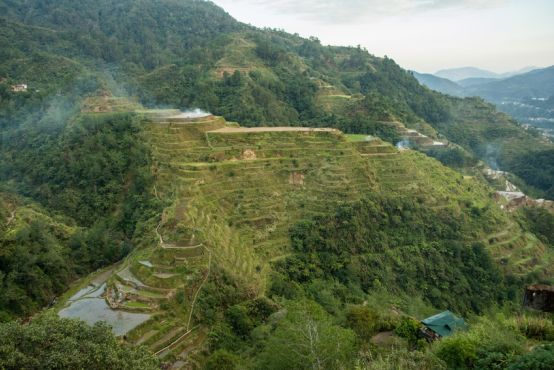
In 2019, Bala and his wife Lakshmi — who was supported by the program to join him as an Approved Accompanying Dependent — set off on their first journey to the Philippines, settling in a remote town in Canaman, 400km east of Manila.
After setting up their apartment, Bala prepared for his first day in the Canaman Local Government offices, where he would develop an IT strategy to identify key risks and requirements and establish priorities for urgent implementation.
“It was a remote area, but the organisation still had about three or four different locations. One of the things we needed to do was to get these locations connected so they could all work off shared infrastructure like email.”
Within six months, Bala and his team had rolled out essential infrastructure, including servers and connectivity. This had an immediate impact on local government offices, like the births, deaths and marriages department, which had previously relied on paper documents.
While work kept him busy, Bala and Lakshmi embraced every opportunity to dive into the local culture, cuisine and language.
“We were excited to live and work somewhere new and really understand their culture, language and way of life,” he says, giving credit to his supervisor for helping him navigate cultural and workplace norms.
In an enthusiastic attempt to adopt the national language, Bala even attempted a speech in Tagalog at a local ceremony, only to discover that the community actually spoke Bicol. “I wrote a little five-minute speech in English, translated it, and read it out… but it completely missed the mark!”
Despite the language mix-up, Bala found joy in exploring and connecting with locals and fellow volunteers. “We had regular jeepneys... you could go into town, explore, and catch buses to nearby towns, three-to-four hours away,” Bala says. “In small towns, people know you before you know them,” he recalls, laughing about how a stranger on a bus reminded him when he missed his stop.
“People are very helpful!”
Lessons from the long-term study
Participants who volunteered towards the end of their career reported very positive experiences. They were motivated by personal rather than professional goals — the biggest impacts they reported were creating new friendships, feeling a sense of personal satisfaction, and improving their intercultural awareness. Many went on to complete further volunteer assignments.*
When COVID-19 cut the assignment short, Bala returned to Australia but continued to support his host organisation remotely. Soon after, he and his wife took on another assignment with the Australian Volunteers Program — this time in Phnom Penh, Cambodia, working with an NGO focused on social welfare programs.
“We were only in Cambodia for three months, but it was a great experience,” Bala said. “I’d worked with the NGO remotely for six months, so when we arrived, the office was already well set up.”
Bala helped define policies and implement processes to support the NGO’s operations. His work made such an impact that it led to an opportunity with another local NGO, and he’s now planning his third assignment with the program. “We’ll do three months remote, up to three months in-country, and then another three months remotely, to wrap it up.”
With two volunteer experiences under his belt, Bala feels a deep sense of fulfilment and is excited about what lies ahead. “I get greater satisfaction knowing I’m helping somebody who can’t afford these services otherwise... I don’t think you get the same feeling in a paid job.”
While proud of his professional achievements, it’s the people who’ve had the biggest impact on Bala. “I come from India, so I know there are countries with fewer opportunities than Australia. However, having lived here for 30-plus years, you still need a reality check.”
His advice to others considering the journey is powerfully simple: embrace it fully. “Take every opportunity to understand the language and the culture. Enjoy the place that you’re visiting,” he says. “The best part is spending time with people, whether it’s in the office, the community, or travelling around... It’s the camaraderie and sharing the journey together.”
Bala participated in a long-term study by the University of Technology Sydney (UTS) to understand how volunteering shapes people personally, professionally and culturally. Find out more about the benefits of volunteering.
* Fee, A & Lizier, A. (2024). Longitudinal Study of Australian Volunteers (2019-26): Interim Report (July 2024) p 7.